Helping Young Children Transition Back to School
A new school year can bring excitement, new friends, and fresh routines—but it can also bring big feelings. For young children especially, back-to-school anxiety may show up as clinginess, tears at drop-off, trouble sleeping, tummy aches, irritability, or worries they cannot quite put into words.
The good news: these feelings are common, and a little preparation and reassurance can go a long way.
Start with connection
Set aside a few calm minutes each day to ask about your child’s feelings.
Try open-ended questions such as:
- “What are you most excited about at school?”
- “Is there anything you are feeling worried about?”
Listen without rushing to fix the worry. You might say: “It makes sense to feel nervous when something is new. We will figure it out together.” Naming and validating their feelings helps children feel understood and safe.
Keep goodbyes short, warm, and predictable
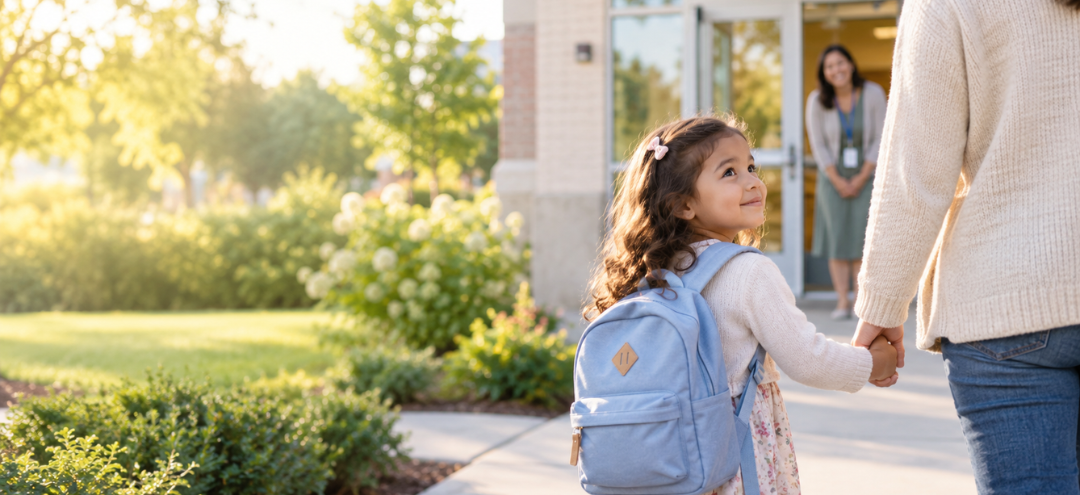
At drop-off, a consistent goodbye routine can be very reassuring. A hug, a simple phrase such as “I love you, have a great day, and I will see you after school,” and a confident exit can help your child adjust.
Even when they are upset, try to stay calm and avoid extending the goodbye. Teachers are experienced in helping children settle once the day begins.
Give them a small sense of control
Offer simple choices that do not change the routine:
- “Would you like to wear the blue shirt or the green shirt?”
- “Should we pack strawberries or apple slices for lunch?”
- “Would you like me to bring your backpack or do you want to carry it to the car?”
Small choices help children feel capable during a time when many things feel new.
Helping Young Children With School-Specific Anxieties
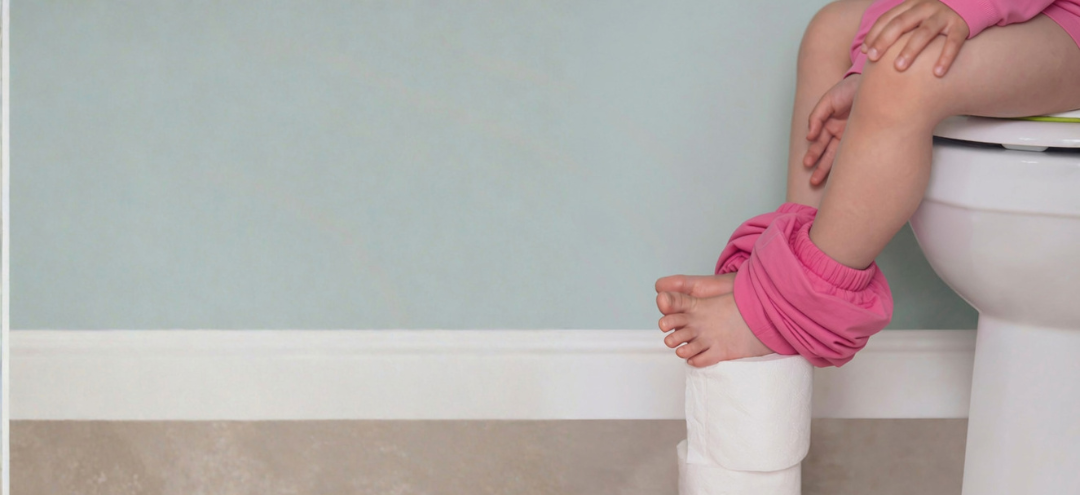
For young children, school anxiety often isn’t about school itself—it can be about one very specific moment: What if I need to use the new bathroom? What if I can’t open my lunch? What if I don’t know where to go? What if I don’t want to get out of the car?
The best approach is to identify the specific worry and practice it ahead of time. If your child is nervous about using the school bathroom, visit the school beforehand if possible and practice walking in, finding the toilet, flushing, washing hands, and returning to the classroom. If getting out of the car at morning drop-off is the challenge, practice the routine at home: park, say goodbye, take a deep breath, and walk confidently toward the school entrance.
Try not to make the anxiety bigger by repeatedly asking, “Are you worried about the bathroom?” Instead, calmly acknowledge the concern, make a simple plan, and give your child the opportunity to practice. Children gain confidence through repetition and successful experiences.
And remember: you don’t have to eliminate every worry. The goal is to help your child learn, “I can feel nervous and still do it.”
Prioritize sleep and calm evenings
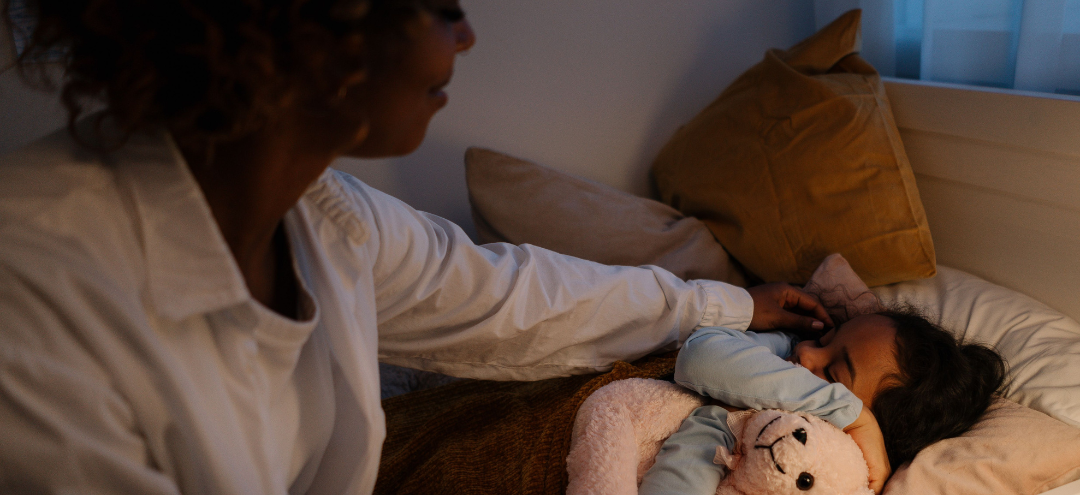
A predictable bedtime routine supports emotional regulation and makes mornings easier. Aim for a calm wind-down: bath, pajamas, a favorite book, and lights out at a consistent time. Keeping evenings simple during the first few weeks of school can help children recharge.
When to reach out
Some adjustment anxiety is expected, especially after a long summer or when starting a new school. Please reach out to us if anxiety is persistent, worsening, or interfering with school attendance, sleep, friendships, eating, or daily activities. Frequent headaches or stomachaches, intense separation distress, or ongoing school refusal are also worth discussing.
At Beverly Hills Pediatrics, we are here to support your child’s physical and emotional well-being throughout every stage of the school year. Wishing all of our families a confident, healthy, and happy start to school!