Constipation in Little Kids: The Common Traps Parents Don’t Always Expect
Constipation is incredibly common in toddlers and preschoolers, and sometimes the foods we think are making things easier can actually be part of the problem.
If your child is suddenly having hard, painful stools, skipping days, or holding their poop, take a look at a few common culprits.
Watch the Pouches
Pouches are convenient, especially for busy families, but they can easily become a large part of a young child’s diet.
Ingredients matter (The “BRAT” effect): Many pouches rely heavily on base ingredients like applesauce, bananas, cereal or yogurt. They often market much better than they actually are. An exciting Spinach, Rhubarb, Apple pouch is likely mostly applesauce. Foods like bananas, processed grains, applesauce and dairy are binding, which can slow down digression and harden stools.
Low Total Fiber Intake: While pureeing can retain fiber, many commercially strained fruit purees have the fiber-rich skins removed. A pouch with only 1 gram of fiber won’t do much to keep things moving.
Displacing Fluid Intake: Constipation often stems from a lack of water, not just a lack of fiber. If a child consumes pouches in place of drinking adequate water, the digestive system struggles to form soft stools.
Lack of Chewing & Saliva: Suckling directly from a pouch bypasses chewing, which triggers the release of digestive enzymes in saliva that aid smooth digestion down the line.
Whenever possible, think whole foods first and pouches as an occasional convenience, rather than a major source of fruits and vegetables.
Variety is Key
The “BRAT” Foods Can Add Up. Bananas, rice, applesauce, and toast, the foods traditionally associated with the BRAT diet, are often staples for little kids.
But if your child’s typical day includes a banana at breakfast, an applesauce pouch for snack, bread or crackers at lunch, and rice at dinner, that’s a lot of foods that may not help a child who is already prone to constipation.
You don’t necessarily have to eliminate these foods. Instead, look at the child’s diet as a whole and make sure there is plenty of variety.
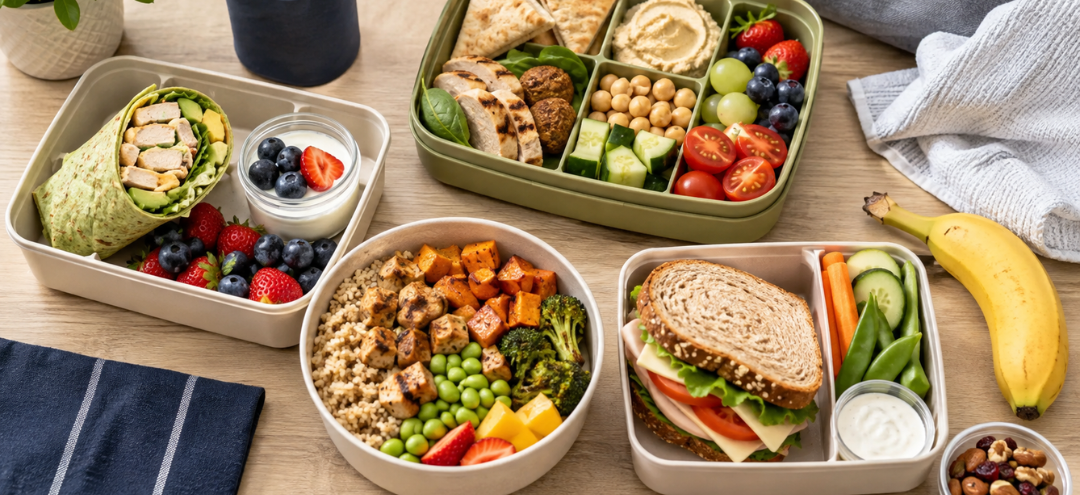
Try incorporating foods such as stone fruit (peaches, plums, prunes,) berries, kiwi, peas, beans, vegetables, and other whole grains.
Don’t Forget the Water
Fiber needs fluid to do its job.
Toddlers and preschoolers can get so busy playing that they simply don’t drink enough throughout the day. Make water easily available and offer it regularly rather than waiting for your child to tell you they’re thirsty.
Processed Foods Can Crowd Out Fiber
Crackers, snack bars, chips, white bread, pasta and other processed foods are easy toddler favorites, but a diet heavy in processed foods can be low in fiber.
You don’t have to create a “perfect” diet. Simply look for opportunities to swap in more whole fruits, vegetables, beans and whole grains throughout the week.
Sometimes It’s Not the Food – It’s Withholding
Constipation can also have a behavioral component.
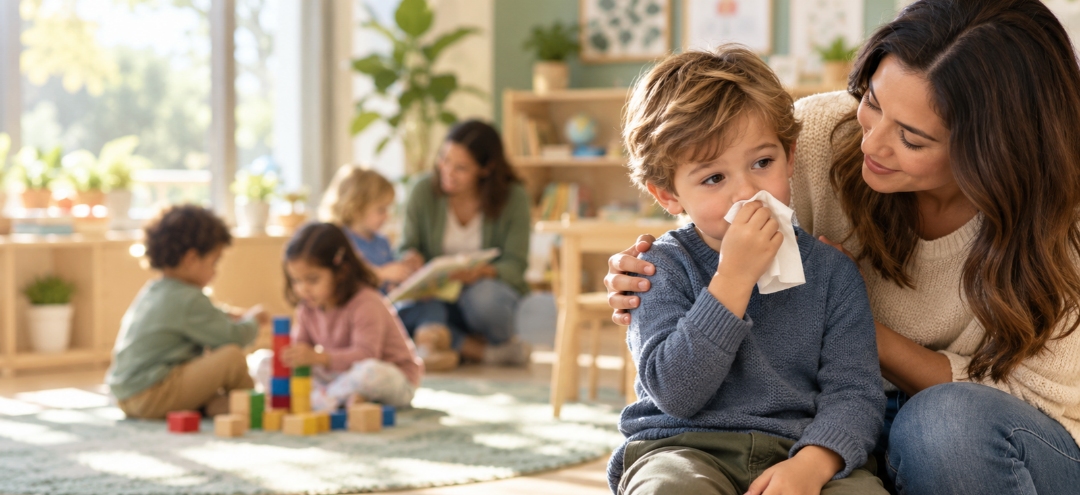
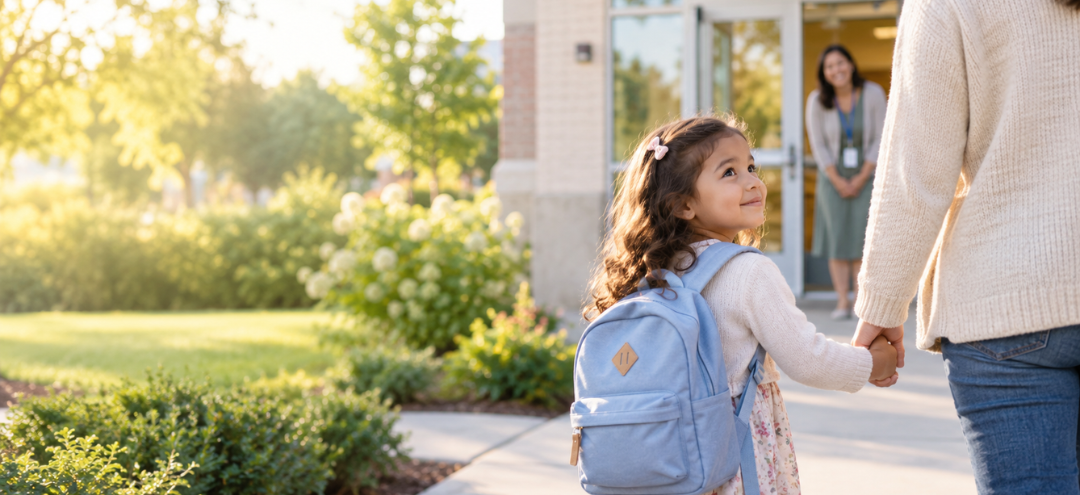
Potty training, starting preschool, changing classrooms or adjusting to a new routine can all lead children to hold their poop.
A child may not want to stop playing, may feel uncomfortable using a school bathroom, or may have had one painful bowel movement and become afraid that the next one will hurt too.
Unfortunately, withholding can create a cycle:
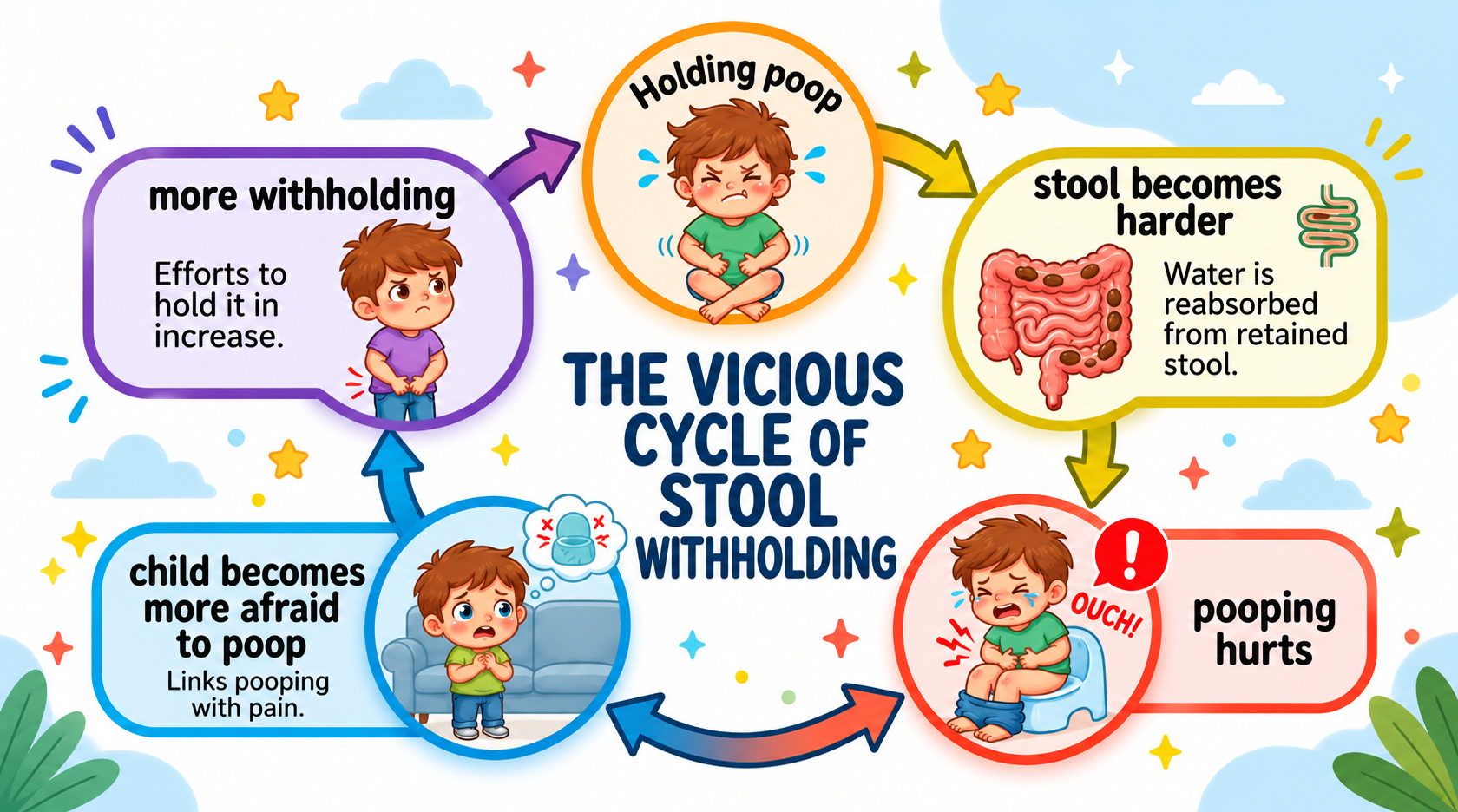
Holding poop → stool becomes harder → pooping hurts → child becomes more afraid to poop → more withholding.
If you’re potty training, try to keep bathroom time calm and pressure-free. Regular opportunities to sit on the toilet – especially after meals – can help establish a routine.
Take a Look at the Whole Picture
When constipation starts, think beyond the last thing your child ate.
Ask yourself:
Are pouches replacing whole foods? Are bananas, applesauce, bread or rice showing up several times a day? Are they drinking enough water? Are they eating enough fiber? Did they recently start potty training or preschool? Are they actively trying not to poop?
Sometimes a few small changes can make a big difference.
If constipation is persistent, painful, associated with blood in the stool, vomiting or significant abdominal pain, or you’re concerned about your child’s bowel habits, give us a call. We can help determine what’s going on and recommend an appropriate plan for your child.
We’re here to help with every stage – from first foods and potty training to preschool and beyond.