
Pediatrician-Approved Lunchbox Ideas for Every Age
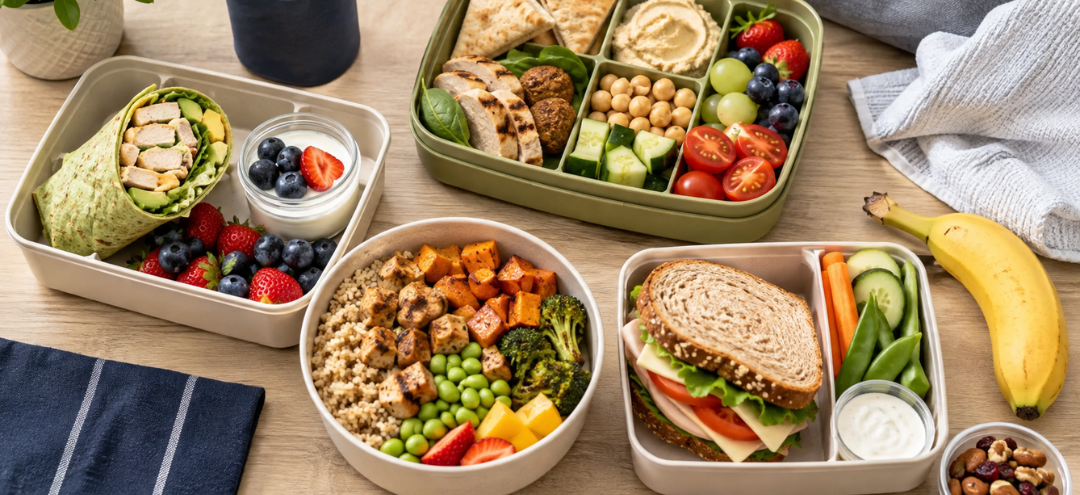
Back-to-school mornings are busy enough without trying to create a picture-perfect lunch.
The good news? A healthy lunch does not need to be elaborate, and it certainly does not need to look like something from social media. The best lunch is one that provides steady energy, is appropriate for your child’s age, and—most importantly—is something your child will actually eat.
A Simple Lunchbox Formula
Instead of packing a completely different lunch every day, choose one item from each group:
- Protein: Chicken, turkey, eggs, beans, hummus, yogurt, cheese, tofu, tuna or seed/nut butter, if permitted by your school
- Energy food: Whole-grain bread, pita, tortilla, crackers, pasta, rice or another familiar carbohydrate
- Fruit or vegetable: Fresh, frozen, roasted, steamed or unsweetened packaged options all count
- Optional extra: Milk, yogurt, cheese, avocado, dip or a small favorite snack
- Drink: Water is usually the simplest choice
Not every lunch will include every food group—and that is okay. Aim for balance over the course of the week, not perfection in every compartment.
Toddlers and Preschoolers
Young children often do best with small portions, familiar foods and items that are easy to pick up. Large servings can feel overwhelming, so begin with modest amounts and pack more only if your child regularly finishes them.
Lunchbox ideas
Mini Sandwich Box
- Quartered turkey-and-cheese sandwich
- Soft berries or thinly sliced fruit
- Steamed vegetables
- Unsweetened applesauce
Breakfast-for-Lunch Box
- Mini whole-grain waffle strips
- Thinly spread sunflower-seed or nut butter, if permitted
- Yogurt
- Soft fruit
Toddler Snack Plate
- Small pieces of soft chicken
- Whole-grain crackers
- Thin avocado slices
- Quartered grapes
Mini Pasta Lunch
- Small pasta shapes with olive oil, pesto or tomato sauce
- Soft peas
- Shredded or thinly sliced cheese
- Mandarin orange pieces
Important choking reminder
Children younger than 4 are at greater risk of choking. Whole grapes, popcorn, nuts, hard raw vegetables, hot-dog rounds, thick spoonfuls of nut butter and large chunks of meat or cheese should be avoided or modified.
Cut grapes and cherry tomatoes lengthwise into quarters. Cook firm vegetables until soft, slice apples very thinly, spread nut or seed butter in a thin layer and cut food into small, manageable pieces. Consider your child’s individual chewing skills and development when preparing food.
Elementary-Age Children
School lunch periods can be surprisingly short. Pack foods your child can open and eat independently, and practice using new lunch containers at home before the first day.
Lunchbox ideas
Build-Your-Own Pita
- Whole-grain pita triangles
- Chicken, turkey or hummus
- Cucumber slices
- Berries
- Yogurt dip
Easy Bento Box
- Hard-boiled egg
- Whole-grain crackers
- Cheese
- Bell pepper strips
- Apple slices
Leftovers They Love
- Pasta with chicken and vegetables
- Fruit
- Yogurt or cheese
- A small favorite snack
Bean-and-Cheese Roll-Up
- Bean-and-cheese tortilla roll-up
- Mild salsa or guacamole
- Corn
- Orange slices
Tweens and Teens
Older children often need more food than parents expect, particularly during growth spurts or sports seasons. A small sandwich and a few berries may not carry them through a full afternoon of classes and activities.
Invite tweens and teens to help plan or prepare their lunches. Giving them a few choices builds independence and makes the lunch more likely to be eaten.
Protein-Packed Wrap
- Chicken, turkey, tofu or bean wrap
- Lettuce and avocado
- Fruit
- Greek yogurt
Mediterranean Box
- Hummus
- Pita
- Chicken, chickpeas or falafel
- Cucumbers and tomatoes
- Grapes or berries
Rice or Grain Bowl
- Brown rice, quinoa or another preferred grain
- Chicken, tofu, beans or edamame
- Roasted vegetables
- Fruit
Busy-Day Lunch
- A substantial sandwich
- Snap peas or sliced vegetables with dip
- Banana
- Cheese or yogurt
- An extra snack for after school or practice
For athletes and especially active teens, consider adding another sandwich, trail mix if allowed, yogurt, cheese, a banana or an additional snack.
What About Picky Eaters?
Avoid turning the lunchbox into a daily battleground. Include at least one food your child reliably eats, then add one or two other foods without pressure.
A lunch containing familiar crackers, cheese and fruit is more helpful than an impressive meal that comes home untouched.
If a new food repeatedly returns uneaten, try serving it at home first. Children may be more willing to explore unfamiliar foods when they have enough time and are not surrounded by classmates.
A Note From Your Pediatric Team
Healthy eating is not about creating a “perfect” lunch. It is about consistently offering a variety of foods that support your child’s growth, energy and development. The American Academy of Pediatrics emphasizes fruits, vegetables, whole grains and nutritious protein and dairy choices while limiting added sugars, excess sodium and highly processed foods.
Every child is different. Children with food allergies, swallowing difficulties, diabetes, gastrointestinal conditions, sensory concerns or growth challenges may need an individualized lunch plan. Please speak with your pediatrician if you have questions about your child’s nutritional needs.
This school year, give yourself permission to keep lunch simple, balanced and realistic. A familiar meal packed with care is more than enough.